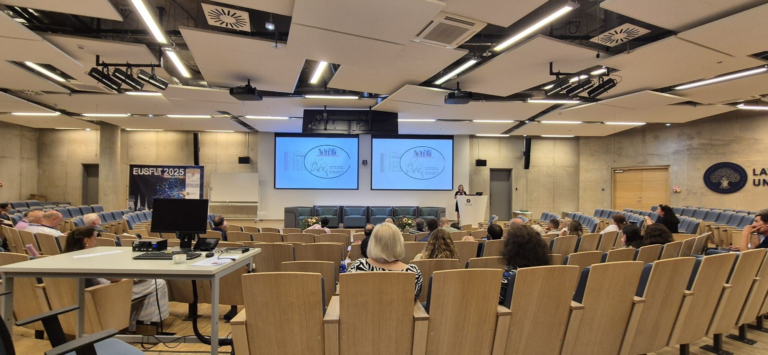

Symposium of the Polish Artificial Intelligence Association aiming to exchange experiences in the field of artificial intelligence development and to foster integration of the artificial intelligence community in Poland took place in Wrocław University of Science and Technology on 11-12 September 2025.
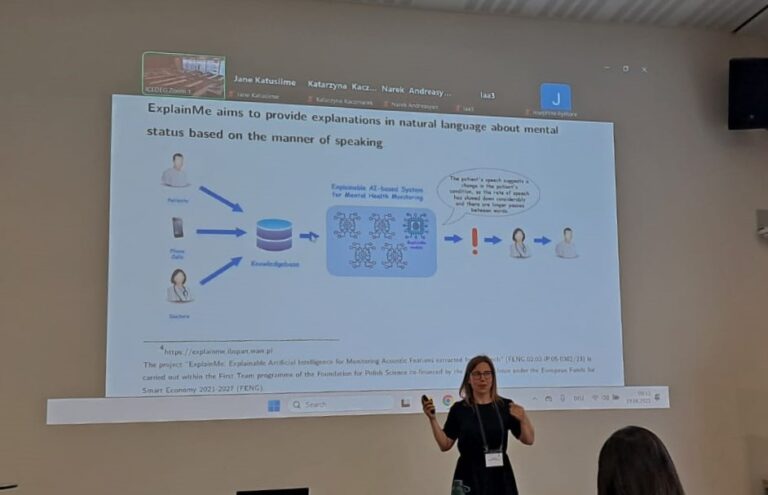
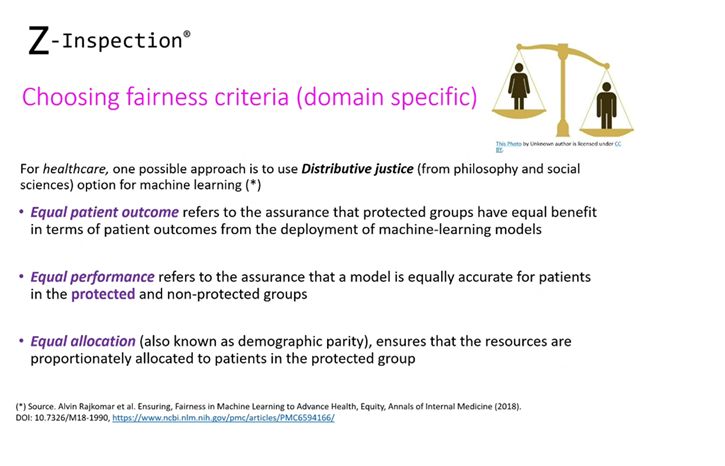
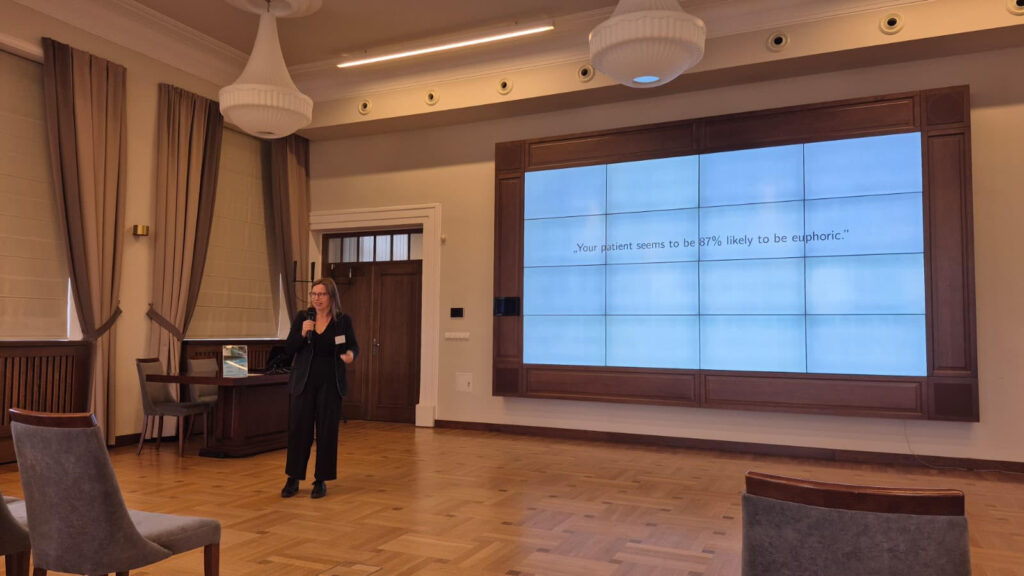
Katarzyna Kaczmarek-Majer gave a plenary talk entitled “Co-design of a trustworthy AI-driven voice-based system in mental health monitoring“. She shared lessons learned from the design of an explainable AI-driven, voice-based system for mental health monitoring, aiming at generating explanations regarding how a person’s voice speaking has changed across different affective states. The co-design process has been conducted by an interdisciplinary team of experts and stakeholders comprising engineers, technical experts, psychiatrists, legal scholars, ethicists, philosophers, and other specialists. The trustworthiness of the proposed AI system is evaluated using the Z-Inspection® methodology. This methodology involves investigation of the relevant ethical standards in the development, implementation and use of artificial intelligence systems intelligence and also consideration of the socio-technical context in which the system will be used. During the presentation, she shared insights and lessons learned from the trustworthiness assessment and co-design process of the proposed system.
Next, we she addressed key challenges related to the construction of linguistic summaries as explanations in evolving environments, as well as their validation. The overall aim is to deliver human-consistent information granules that describe in natural language large datasets, including inhomogeneous time series. We consider how recent developments in the theory of evaluative linguistic expressions and fuzzy association rule mining can complement summarization. We briefly recalled related work on the evaluation criteria for the quality of both individual sentences as well as group of sentences. The assessment of the quality of the groups or sequences of summaries becomes even more complex for real-world scenarios in which additional data becomes available over time or the existing information is incomplete.
The talk concluded with some practical examples from the remote smartphone-based mental health monitoring system, which aims to support doctors and patients in monitoring affective episodes and fuzzy information granules will be its core component.
Press note from this event is available under this link:
Sympozjum Polskiego Stowarzyszenia Sztucznej Inteligencji